ICF Coach Training Compared: The Checklist Smart Coaches Use
Choosing an ICF-aligned coaching programme can feel like shopping for a suitcase online: every option looks “premium”, every provider says it’s “internationally recognised”, and somehow the price range runs from “reasonable investment” to “second-hand car”.
Here’s the truth: the best programme isn’t the one with the flashiest branding. It’s the one that reliably builds your coaching competence, gives you enough live practice and feedback to improve fast, and supports your longer-term credential goals—without hidden costs or vague promises.
This guide gives you a straightforward checklist for comparing ICF coach training programmes so you can choose with confidence (and skip the marketing fog).
First, Get Clear on What You’re Actually Buying
Before you compare providers, clarify what “ICF coaching certification” means in plain English.
- ICF accreditation usually refers to the training provider/programme meeting a recognised standard.
- ICF credentialing refers to you, later, applying for an ICF credential (which typically includes training hours, coaching experience hours, mentor coaching, and a performance evaluation).
Many people mix these up. Your checklist starts by separating the programme from your credential pathway.
Checklist Part 1: Accreditation and Credential Pathway Fit
1) What type/level is the programme?
Don’t accept “ICF-approved” as a vague label. Look for a clearly stated accreditation level and what it qualifies you for.
Ask:
- Is it Level 1 or Level 2 (or another recognised pathway)?
- Does completion support the credential route you want (entry-level vs more advanced)?
- If you’re unsure, pick the programme that keeps your options open without forcing you into upgrades later.
2) Does it clearly map to ICF competencies?
A reputable programme will openly show how it teaches and assesses coaching competence (not just theory). You should see:
- A competency framework
- Practical learning outcomes
- How they evaluate your coaching sessions
If the provider can’t explain how you’ll be assessed against real coaching skills, treat that as a red flag.
3) What credential outcome is realistic after graduation?
Be wary of programmes that imply you’ll be “ICF certified” immediately. Completion may support your pathway, but you still need to meet credential requirements separately (often including logged coaching hours).
Look for honest phrasing like:
- “Aligned to ICF competencies.”
- “Supports credential application.”
- “Includes mentor coaching/performance evaluation as required.”
Checklist Part 2: Practice Hours and Skills Development

4) How much live coaching practice do you get?
Coaching competence is built by coaching, then being coached on your coaching.
Compare:
- Live practice hours (not just video lessons)
- Real-time coaching labs
- Observed practice sessions
- Practice with diverse scenarios (leadership, wellbeing, transitions, conflict)
If most of the programme is self-study with minimal live practice, your confidence may lag even if you pass a quiz.
5) How is feedback delivered—and by whom?
Feedback quality matters more than feedback quantity.
Ask:
- Is feedback given by trained faculty/mentors or only by peers?
- Do you receive detailed feedback on recordings?
- Is feedback linked to coaching competencies (specific and behavioural)?
The best programmes give feedback that’s clear enough to implement immediately: what you did, what it caused, and what to do differently next time.
6) Are there real assessments, not “attendance certificates”?
A credible programme evaluates your coaching skills with structure. Look for:
- Recorded session submissions
- Rubrics or competency scorecards
- Faculty evaluation (not only peer sign-off)
- A final performance assessment that reflects real coaching
If the “assessment” is simply finishing modules, you’re not buying competence—you’re buying participation.
Checklist Part 3: Mentor Coaching and Supervision Support
7) Is mentor coaching included—and how many hours?
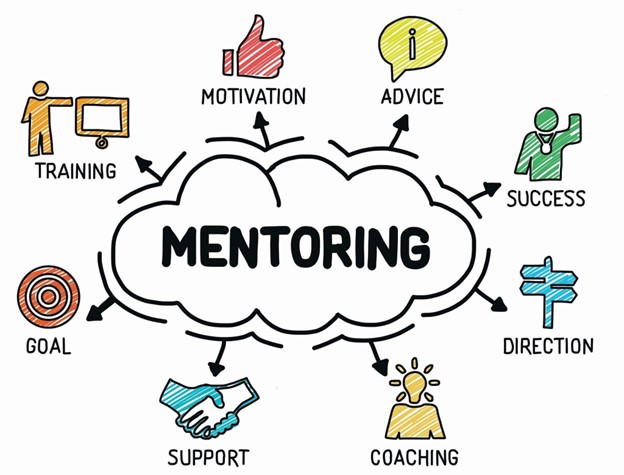
Mentor coaching is often a key ingredient in professional readiness. It can also be a required element depending on your credential route.
Compare:
- Number of mentor coaching hours included
- Group vs individual mentoring
- Whether mentor sessions include feedback on your recorded coaching
Watch out for programmes that advertise a low headline price, then charge separately for mentor coaching.
8) Who are the mentors and faculty?
Don’t be shy about verifying who’s teaching you. Ask for:
- Coach credentials and experience
- Teaching track record (how long they’ve been training coaches)
- Niche experience if you want a specialty (executive, health, teams, etc.)
A strong programme is proud of its faculty. If bios are vague or missing, that’s information in itself.
Checklist Part 4: Structure, Time, and Learning Experience

9) What’s the format—and does it fit your life?
A programme can be excellent and still wrong for you if the schedule clashes with reality.
Compare:
- Weekly live sessions vs intensive blocks
- Time zones and session times
- Missed-class policy and make-up options
- Cohort-based support vs fully self-paced
Choose the format you can actually complete without burnout.
10) How long does it take—end to end?
Ask for the full timeline, including:
- Course duration
- Assessment windows
- Mentor coaching schedule
- Administrative processing time for completion documents
Some programmes advertise “12 weeks,” but you’ll need six more months to finish assessments and mentoring.
11) How many students per cohort?
Group size affects your practice opportunities.
Ask:
- Average cohort size
- How many coaching observations will you receive?
- How often you’ll be observed by faculty (not just peers)
Smaller groups usually mean more feedback, but check how the programme structures coaching labs.
Checklist Part 5: Costs, Contracts, and Hidden Extras
12) What’s the true total cost?
Ask for an itemised breakdown including:
- Tuition
- Mentor coaching (included or extra?)
- Assessment and performance evaluation fees
- Admin fees for completion documents
- Exam or platform fees
- Any “required upgrades” for credential support
A transparent provider will give you a clear total without pushing you to “book a call to find out”.
13) Are there refund, deferment, and pause policies?
Life happens. Compare:
- Refund terms
- Deferral options
- Pause/resume policies
- What happens if you fail an assessment
If the contract is rigid, the risk sits with you—not the provider.
Checklist Part 6: Credibility Signals That Actually Matter

14) Are graduates coaching confidently after completion?
Marketing testimonials are helpful, but you want evidence of competence and outcomes.
Look for:
- Graduate case studies describing skill growth
- Demonstrations (sample coaching sessions, faculty teaching clips)
- Alumni community activity and support
- Realistic career pathways (internal coaching, private practice, leadership roles)
15) Does the programme support business-building ethically?
Some programmes over-focus on “get clients fast” tactics. Business support is useful, but it should be grounded and ethical.
Green flags:
- Pricing guidance based on value and ethics
- Contracting skills (scope, boundaries, confidentiality)
- Practical marketing fundamentals (positioning, referrals, credibility assets)
Red flags:
- Guaranteed income promises
- Pressure-selling tactics
- Overblown titles like “master coach” after a short course
16) Will this programme support your niche?
If you plan to coach executives, teams, leaders, or health behaviour change, check:
- Faculty experience in your niche
- Practice scenarios aligned to your context.
- Optional electives or advanced modules
General training is fine—but niche alignment can shorten your learning curve significantly.
Quick Comparison Scorecard (Use This to Decide)
Give each programme a score out of 5 for:
- Accreditation clarity + credential pathway fit
- Live practice hours + quality of feedback
- Rigour of assessments + performance evaluation
- Mentor coaching included + mentor quality.
- Schedule fit + completion timeline clarity
- Total cost transparency + fair policies
- Graduate outcomes + credibility signals
- Niche alignment + ongoing support
Pick the programme with the strongest overall score and the best fit for your real life.
Final Word: The Best Programme Is the One That Produces Better Coaching
Choosing an ICF-aligned coaching programme isn’t about chasing a badge — it’s about choosing a training experience that makes you a better coach in real conversations with real clients.
Use the checklist to compare what matters: live practice, quality feedback, mentor coaching, clear assessments, and transparent costs.
When a programme can show you exactly how it builds competence (not just confidence), you’re not just enrolling — you’re investing in credibility you can prove.